What does it mean to be an octogenarian? Merriam-Webster defines octogenarian as a person who is in his eighties. Thank you Webbie for that fine simplified answer to this question. But I want to know what it means on a far more complex level. What is it like to be able to look back on eight decades of your own life and see a cultural and historical timeline of society – of the world – in the process? This is a universal culture since we are all aging. I want to research the role octogenarians play in society, the perspective they have on history and what we can learn from them as elders in our culture.
Why I am interested in this culture:
My grandma turned 80 this year in July and my grandpa will turn 90 at the end of November. This represents the entrance and exit into a culture that is a major transitioning period for many individuals. I have an overall interest in the aging process and elderly people as a culture, but I chose octogenarians for very specific reasons. To me it seems like the decade where physical deterioration increases but mental functioning is still pretty good. This juxtaposition causes – sometimes forces – shifts in priorities in both activities and thinking. When an individual reaches his eighties, he has likely been retired for some time, may have survived the death of a spouse and may be slowing down in some ways. Many of us in our twenties go through experiences and cognition that can be summed up as “finding our identity.” In many ways, each time period of our lives will ask us to redefine our identity. I can see this in the culture of octogenarians, a need to redefine their own worth to society outside of their career and family roles.
Some famous octogenarians I admire:
 |
| Maya Angelou - 83 |
 |
| Leonard Nimoy - 80 |
 |
| Louise Hay - 84 |
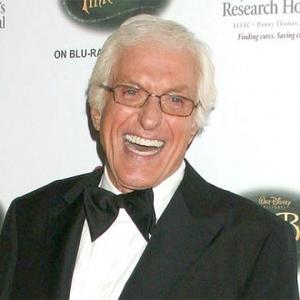 |
| Dick Van Dyke - 85 |
Projected research methods:
I plan to interview the individuals in my life who are currently part of this culture. I am interested in both the major and minor historical events that impacted their lives, such as air conditioning (minor) and wartime (major). I also plan to research various internet, textbook and campus/community resources regarding the view of this culture in our society. I will address issues such as ageism and the various psychological theories of socioemotional development as an octogenarian. Much of my natural thinking and thus my research has its basis in psychology, especially evolutionary theory, which studies how one generation's decisions affects the next generation's development.
I also want to include various historical time markers and references in order to illustrate the concept of eighty years of one individual's life as well as explore the social and historical context of such a life. In the end I hope to provide accurate and respectful insight into a culture that is often beloved, much admired and sometimes forgotten.
I will end this first blog of the series with an endearing and entertaining clip of an elderly couple. It is self-explanatory and a fantastic introduction to this culture.
